



Leadership Education in Neurodevelopmental and Related Disabilities (LEND)
Browse this collection of leadership project posters presented by past LEND cohort trainees.
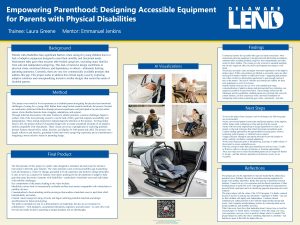
Parents with disabilities face significant barriers when caring for young children due to a lack of adaptive equipment designed to meet their mobility and functional needs. Mainstream baby gear often assumes able-bodied caregivers, excluding many families from safe and independent caregiving. This lack of inclusive design contributes to physical strain, emotional distress, and dependency on others—ultimately limiting parenting autonomy. Currently, there are very few commercially available products that address this gap. This project seeks to address this critical equity issue by exploring adaptive solutions and conceptualizing inclusive stroller designs that center the needs of disabled parents.
- Do Probiotics Influence Gastrointestinal Symptoms or Behaviors in the Autistic Pediatric Population?
Autistic Spectrum Disorder (ASD) is a condition with pronounced deficits in social interactions, with exhibited behavioral symptoms including irritability, anxiety, communication, and repetitive behaviors, and hyper-focused interests or activities. In parallel, many autistic individuals experience gastrointestinal challenges such as abdominal pain and reflux, as well as frequent incidence of constipation or diarrhea. Compared to neurotypical children, these ongoing issues can be severe and have been associated with the severity of autismrelated symptoms.2 Emerging studies have shown that the gut microbiota of autistic children differs from that of neurotypical peers and healthy siblings. These differences may hold the key to understanding the mechanisms by which gut microbes may influence health outcomes involving both local and systemic pathways. With the increased focus on probiotics as a complimentary alternative intervention, increased interest and ease of access warrants further investigation into the current research
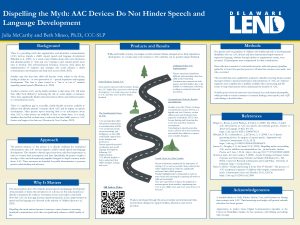
There is a prevailing myth that augmentative and alternative communication (AAC) devices impede a child’s natural speech and language development (Blischak et al., 2003). As a result, many families-along with some physicians and clinicians-prefer to “wait and see,” wanting to give natural speech more time to develop. This well-intentioned hesitation, however, often delays the implementation of supports and strategies that could enhance a child’s communication development and long-term success (Park, 2021).
According to the Centers for Disease Control’s most recent data from 16 sites across the United States, one in every 31 children between the ages of 4 and 8 years old are diagnosed with Autism Spectrum Disorder (Shaw et al., 2022; Centers for Disease Control and Prevention, 2025). Although research has shown that siblings of children with autism have about a 20% chance of also having autism (Sharp, 2024), there are many other siblings who are not diagnosed with autism and have little information available to them about their sibling’s neurodiversity. This is especially true for young, elementary school-aged children who may find it hard to fully understand their sibling’s differences.
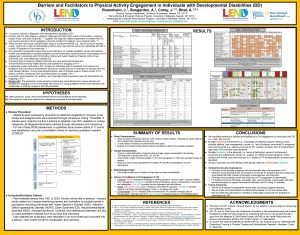
1 in every 6 children is diagnosed with developmental disabilities (DD). Children with DD often display a variety of challenges that affect their social communication, cognitive, sensori-motor, and daily living skills. Together, the diagnosis-related impairments of children with DD may become barriers to them engaging in physical activity (PA) leading to poor physical health. There are also many social (caregiver/peer support) and environmental (e.g., lack of access to facilities nearby, high costs, or lack of transportation) factors which may become barriers for individuals with DD to access PA programs in the community.